
The food industry is one of the most essential sectors of any economy because it serves a basic and recurring consumer need. In Pakistan, the sector includes far more than restaurants and traditional food businesses. It covers food manufacturing, packaged foods, beverages, food processing, agriculture, retail, hospitality, catering, and distribution.
As Pakistan’s population grows and cities continue to expand, consumer demand is also changing. People are looking for food products and services that offer convenience, quality, affordability, hygiene, and variety. These changing expectations are creating new opportunities for businesses across the food supply chain.
For entrepreneurs and investors, this makes the food industry in Pakistan an interesting sector to explore. Businesses that understand changing consumer preferences and focus on quality, efficiency, and innovation can position themselves for sustainable growth.
In this guide, we’ll look at the major factors driving the food sector, emerging business opportunities, challenges, the role of technology, and what businesses should consider when entering this growing market.
Understanding the Food Industry in Pakistan
The food industry includes all the businesses involved in producing, processing, packaging, distributing, selling, and serving food products.
Some major areas of the industry include:
- Food manufacturing
- Packaged food
- Restaurants and cafés
- Bakeries and confectionery
- Dairy products
- Beverages
- Meat and poultry
- Food processing
- Agriculture-based food businesses
- Catering and hospitality
- Food distribution and retail
This broad structure makes the food sector important not only for consumers but also for farmers, manufacturers, retailers, restaurants, logistics companies, and other businesses.
The industry also creates connections between different parts of the economy. Agricultural products can become raw materials for food manufacturers, processed products can reach retailers, and restaurants and hospitality businesses can serve them directly to consumers.
What Is Driving Food Industry Growth in Pakistan?
Several factors are contributing to the development of Pakistan’s food sector. Understanding these trends is important for anyone considering a food business or investment.
Population Growth
Pakistan has a large consumer market, and population growth creates continuous demand for food products and services.
Every household requires food, while restaurants, schools, offices, hotels, and other institutions also create demand. This provides the industry with a broad customer base.
For food businesses, the opportunity isn’t limited to selling more products. Growing demand can also create opportunities for new product categories, improved distribution, and expansion into new cities and markets.
Urbanization
Urbanization is changing the way people live and consume food.
As cities expand and more people move toward urban areas for employment, education, and business opportunities, lifestyles can become increasingly fast-paced. Many consumers have less time for traditional food preparation and may look for convenient alternatives.
This creates opportunities for:
- Ready-to-eat food
- Packaged products
- Frozen food
- Food delivery
- Restaurants and cafés
- Convenient grocery products
Businesses that understand urban lifestyles can develop products and services around these changing needs.
Changing Consumer Preferences
Today’s food consumers are becoming more conscious about the products they purchase. Taste and price remain important, but customers are also paying attention to quality, hygiene, ingredients, packaging, convenience, and overall value.
This means food businesses need to understand their customers rather than simply producing products and expecting demand.
A successful food brand may need to focus on several areas at the same time:
- Consistent taste and quality
- Safe ingredients
- Attractive packaging
- Reasonable pricing
- Convenient availability
- Reliable customer service
Businesses that respond to these expectations can create stronger relationships with their customers and encourage repeat purchases.
The Growing Role of Food Manufacturing
Food manufacturing in Pakistan plays an important role in adding value to agricultural products.
Pakistan’s food system has a strong agricultural base that produces products such as grains, fruits, vegetables, dairy, meat, and other raw materials. Food manufacturing allows businesses to process these products into goods that can be packaged, stored, transported, and sold to consumers.
For example, agricultural products can be converted into the following:
- Packaged food
- Dairy products
- Frozen foods
- Snacks
- Beverages
- Bakery products
- Processed fruits and vegetables
Food processing can also create opportunities beyond primary agriculture by supporting manufacturing, packaging, warehousing, transportation, and retail.
This connection between agriculture and food manufacturing makes the sector particularly important for broader economic development.
Why Food Businesses Can Be Attractive for Entrepreneurs
The food sector can be attractive to entrepreneurs because food is a recurring necessity rather than an occasional purchase.
However, starting a food business in Pakistan doesn’t automatically guarantee success. Competition can be strong, and customers have many choices.
Entrepreneurs should begin by identifying a clear market opportunity.
Before launching a product or business, consider:
- Who is the target customer?
- What problem does the product solve?
- What makes it different from competitors?
- What price will customers accept?
- How will the product reach customers?
- Can quality remain consistent as the business grows?
A clear business model can help entrepreneurs avoid investing heavily in a product without understanding its actual market demand.
Technology Is Transforming the Food Sector
Technology is changing almost every part of the food industry.
Restaurants and food businesses can now use digital platforms to promote their products, communicate with customers, accept orders, and manage deliveries. Food manufacturers can use technology to improve production processes, inventory management, quality control, and supply-chain operations.
Digital marketing has also made it easier for smaller food brands to reach potential customers.
A local food business can use social media and online platforms to:
- Introduce new products
- Share promotions
- Build brand awareness
- Collect customer feedback
- Display menus and products
- Communicate directly with customers
For manufacturers and larger businesses, technology can help improve efficiency and provide better visibility across different stages of production and distribution.
The Importance of Food Quality and Safety
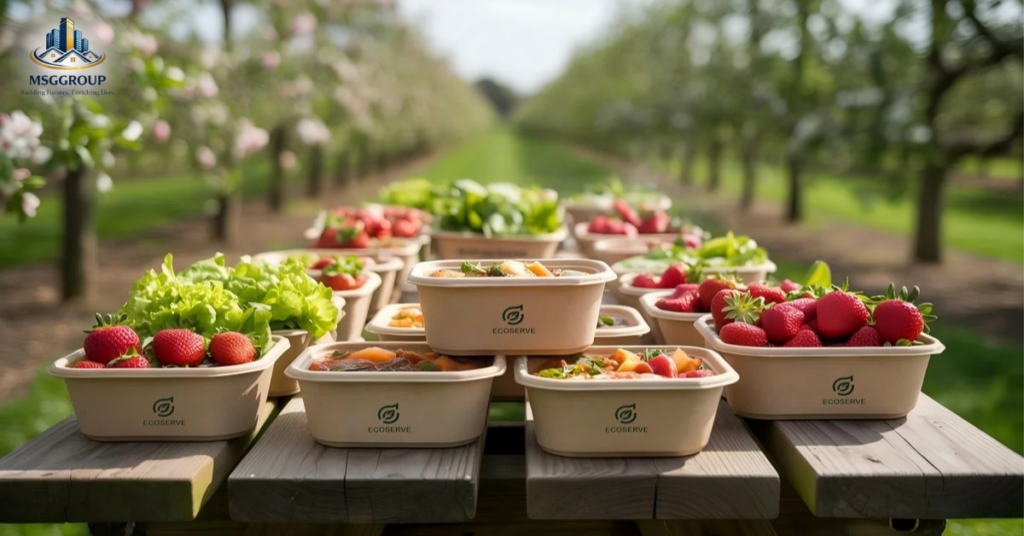
As competition increases, quality and food safety become increasingly important.
Customers expect businesses to maintain proper hygiene and provide products that meet consistent quality standards. A strong reputation can take years to build, while a poor customer experience can quickly damage a brand.
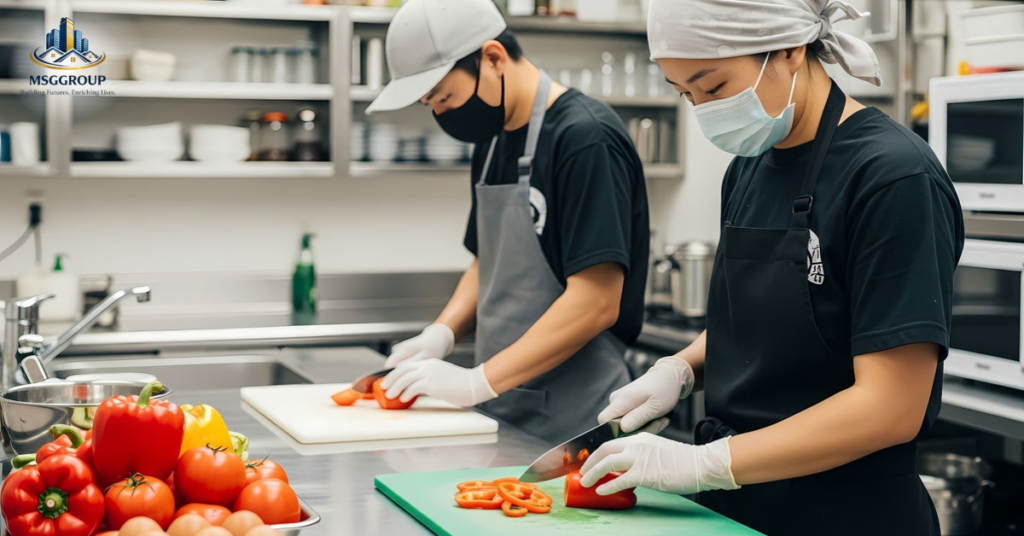
Food businesses should therefore pay close attention to:
- Ingredient quality
- Food handling
- Storage conditions
- Production hygiene
- Packaging
- Product consistency
- Clear product information
Quality should not be treated as a one-time requirement. It needs to be maintained throughout the entire process, from sourcing raw materials to delivering the final product.
For growing businesses, establishing reliable quality-control processes early can also make future expansion easier.
Packaging and Branding Matter More Than Ever
Packaging has become an important part of the modern food business.
A product’s packaging protects it, communicates information, and represents the brand. In competitive retail environments, packaging can also influence whether a customer notices a product and decides to try it.
Good food packaging should balance practicality with visual appeal.
Businesses should consider:
- Product protection
- Shelf life
- Ease of storage
- Brand identity
- Product information
- Consumer convenience
Strong branding can help businesses differentiate themselves in crowded markets. A recognizable name, consistent visual identity, and reliable product quality can contribute to long-term customer loyalty.
Major Opportunities in Pakistan’s Food Sector
The food industry provides opportunities across several different business categories.
Restaurants and Cafés
Restaurants, cafés, bakeries, and other food-service businesses continue to serve growing urban populations.
Businesses can differentiate themselves through food quality, customer service, location, atmosphere, pricing, or a specialized menu.
Packaged Food
Packaged food provides opportunities for businesses that can develop convenient and reliable products for modern consumers.
Strong distribution and effective branding can allow packaged food businesses to move beyond a single local market.
Food Processing
Food processing can add value to agricultural products by converting raw materials into products with greater shelf life and market potential.
This creates opportunities in processing, packaging, storage, and distribution.
Agriculture and Food Integration
The connection between farms, agriculture, and food businesses creates opportunities throughout the supply chain.
Better processing, storage, transportation, and packaging can help agricultural products reach consumers more efficiently while creating additional business opportunities.
Hospitality and Food Services
Hotels, resorts, cafés, restaurants, and other hospitality businesses are also closely connected to the food sector.
As hospitality develops, demand for professional food services and quality food products can increase alongside it.
Challenges Facing the Food Industry in Pakistan
Although the food sector has significant potential, businesses also face several challenges.
Increasing operating costs can affect production, transportation, packaging, and retail prices. Businesses may also face supply-chain disruptions, competition, changing customer preferences, and challenges related to maintaining consistent quality.
For smaller businesses, scaling production can be particularly difficult. Increasing output without proper systems may result in quality problems or higher operating costs.
Businesses should therefore focus on careful planning, reliable suppliers, efficient operations, and strong quality-control processes.
Understanding these challenges before expansion can help businesses make more sustainable decisions.
How Can a Food Business Succeed in Pakistan?
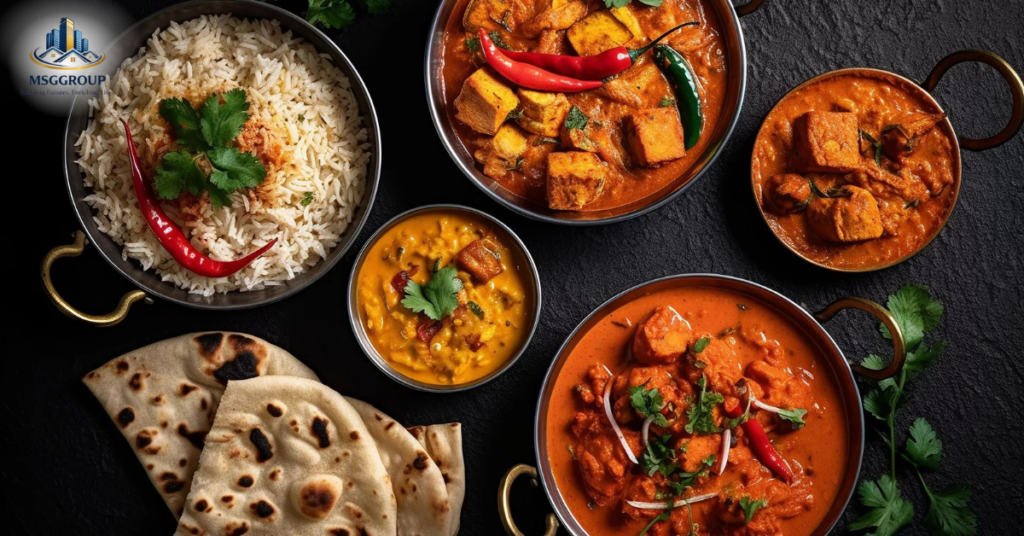
Success in the food industry requires more than simply offering a popular product. Businesses need to build a clear identity and consistently deliver value.
Understand Your Target Market
A product designed for families may have completely different pricing, packaging, and marketing requirements from one aimed at students or office workers.
Understanding the target customer helps businesses make better decisions.
Focus on Consistent Quality
Customers are more likely to return when they know what to expect. Consistency in taste, quality, packaging, and service can help build trust.
Develop a Strong Brand
A strong brand makes it easier for customers to recognize and remember a product.
Branding should remain consistent across packaging, websites, social media, stores, and promotional material.
Build an Efficient Supply Chain
Reliable sourcing, storage, production, and distribution are essential for maintaining product availability and controlling costs.
A business can have an excellent product but still struggle if it cannot deliver that product efficiently.
MSG Group of Companies and the Food Sector
The development of the food sector is closely connected with several other industries, including agriculture, real estate, commercial development, and hospitality.
MSG Group of Companies has a diversified presence across areas including food, real estate, education, hospitality, and farms & agriculture. This allows the group to operate across sectors that can complement one another and contribute to broader business development.
The relationship between agriculture and food is particularly important. Farms and agricultural activities can provide raw materials, while food businesses can process, package, distribute, and market products for consumers.
Similarly, commercial and hospitality developments can create spaces and opportunities for food businesses to reach customers.
Through its presence across multiple sectors, MSG Group of Companies focuses on developing opportunities that connect businesses, communities, and long-term growth.
What Does the Future of Pakistan’s Food Industry Look Like?
The future of the Food industry in Pakistan will likely be shaped by several continuing trends, including urbanization, technology, convenience, changing consumer preferences, modern retail, food processing, and stronger connections between agriculture and food businesses.
Consumers are becoming more selective, and businesses will need to compete on more than price. Quality, convenience, branding, product consistency, and customer experience will continue to influence purchasing decisions.
At the same time, technology can help businesses improve efficiency and reach customers through digital channels.
For entrepreneurs, this means there are opportunities not only in traditional food businesses but also in manufacturing, packaged products, processing, distribution, food technology, and agriculture-based businesses.
The businesses most likely to succeed will be those that understand their customers, manage their operations efficiently, and adapt as the market changes.
Final Thoughts
The Food industry in Pakistan is a diverse and evolving sector with opportunities ranging from restaurants and packaged foods to food manufacturing, agriculture, processing, hospitality, and distribution.
Population growth, urbanization, changing lifestyles, and increasing consumer expectations are creating new demand, but businesses must also be prepared for competition and rising operational challenges.
For entrepreneurs and investors, the key is to look beyond short-term trends and understand where sustainable demand exists. Businesses that focus on quality, food safety, strong branding, efficient supply chains, and customer needs can build a stronger foundation for long-term growth.
The connection between agriculture and food manufacturing also creates significant opportunities. By improving how food is produced, processed, packaged, and delivered, businesses can create value at multiple stages of the supply chain.
For MSG Group of Companies, the Food Industry Pakistan forms part of a broader business presence that includes agriculture, real estate, commercial development, education, and hospitality. This interconnected approach reflects the importance of developing businesses and communities together.
Ultimately, Pakistan’s food sector has considerable potential. The companies that combine quality, innovation, efficiency, and a clear understanding of consumers will be best positioned to grow as the industry continues to evolve.